Got Milk?

— Written By and last updated by
en Español / em Português
Español

El inglés es el idioma de control de esta página. En la medida en que haya algún conflicto entre la traducción al inglés y la traducción, el inglés prevalece.

Al hacer clic en el enlace de traducción se activa un servicio de traducción gratuito para convertir la página al español. Al igual que con cualquier traducción por Internet, la conversión no es sensible al contexto y puede que no traduzca el texto en su significado original. NC State Extension no garantiza la exactitud del texto traducido. Por favor, tenga en cuenta que algunas aplicaciones y/o servicios pueden no funcionar como se espera cuando se traducen.


Português

Inglês é o idioma de controle desta página. Na medida que haja algum conflito entre o texto original em Inglês e a tradução, o Inglês prevalece.

Ao clicar no link de tradução, um serviço gratuito de tradução será ativado para converter a página para o Português. Como em qualquer tradução pela internet, a conversão não é sensivel ao contexto e pode não ocorrer a tradução para o significado orginal. O serviço de Extensão da Carolina do Norte (NC State Extension) não garante a exatidão do texto traduzido. Por favor, observe que algumas funções ou serviços podem não funcionar como esperado após a tradução.


English

English is the controlling language of this page. To the extent there is any conflict between the English text and the translation, English controls.

Clicking on the translation link activates a free translation service to convert the page to Spanish. As with any Internet translation, the conversion is not context-sensitive and may not translate the text to its original meaning. NC State Extension does not guarantee the accuracy of the translated text. Please note that some applications and/or services may not function as expected when translated.

Collapse ▲

I recently served a large group of friends and family dinner and they were asked to bring a chocolate dessert for a chocoholic dessert bar. (Remember all things in moderation). In my planning I thought what goes better with chocolate than a glass of cold milk. So, I purchased two gallons of skim milk and placed one gallon in an ice bowl at the end of the dessert table and kept the other in the refrigerator to switch out. At the end of the evening I had 1 and ½ gallons of skim milk leftover at the event. This was in addition to the gallon in my refrigerator at home. So, the next day I phoned my neighbors asking If they would use some skim milk. Eight neighbors declined with the statement “thanks but, we don’t drink skim milk.”

My old nutrition classes taught me that after age 2 unless you were underweight we all need skim milk. I wondered if this was still true and Nutrition is a Science and is forever changing. So, I thought I would do a little research of the importance of milk, whole vs. skim and share my findings.

The USDA just released the 2025-2030 Dietary Guidelines for Americans. Yes, there are recommended changes in Nutrition Science around the consumption of milk and dairy products. The new Dietary Guidelines for Americans now recommend consuming full-fat dairy without added sugars, a shift from previous guidelines that recommended fat-free and low-fat dairy. Dairy is an excellent source of protein, healthy fats, vitamins and minerals. Dairy serving goals:  3 servings per day as a part of 2,000 calorie dietary pattern, adjusting as needed based on your individual caloric requirements.

Full-fat dairy is also a source of saturated fat so I encourage individuals to seek personalized dietary guidance from a RDN or doctor regarding specific health issues. 

Common Serving Sizes of Dairy Foods (USDA Guidelines)

  • Milk: 1 cup (8 ounces) of milk or calcium-fortified soy milk.
  • Yogurt: 1 cup of yogurt or calcium-fortified soy yogurt.
  • Cheese (Natural): 1.5 ounces (about the size of your thumb or dice) of natural cheese like cheddar, Swiss, or mozzarella.
  • Cheese (Processed): 2 ounces of processed cheese (like American).
  • Cottage Cheese: 1 cup (or 2 servings of 1/2 cup).

In 2026, milk remains a foundational part of global dietary patterns, providing a unique package of 13 essential nutrients that support health from infancy through old age. It is a primary source of nutrients often under-consumed by the general population, specifically calcium, potassium, and vitamin D.

Milk is crucial in a diet as a nutrient powerhouse, providing high-quality protein for tissue repair, essential minerals like calcium and phosphorus for strong bones and teeth, and vitamins D, B12, and A that support immunity, nerve function, and overall body health, making it vital for growth and maintaining bodily functions, though lactose intolerance and personal preferences mean alternatives exist.

Key Nutritional Benefits

  • Bone Health: Excellent source of calcium, phosphorus, and Vitamin D, essential for building and maintaining strong bones, reducing osteoporosis risk.
  • Muscle & Tissue Repair: Provides complete, high-quality protein (casein and whey) with all essential amino acids for building and repairing body tissues.
  • Vitamins & Minerals: Rich in potassium, B vitamins (B12, riboflavin), magnesium, zinc, and Vitamin A, supporting nerve function, energy, and immunity.
  • Hydration & Energy: High water content and natural sugars provide hydration and quick energy.
  • Gut Health: Yogurt (a milk product) contains probiotics beneficial for digestion.

Why It’s Important

  • Nutrient Density: A balanced mix of protein, fats, carbs, vitamins, and minerals in a single, easily consumed food.
  • Growth & Development: Foundational for children’s nutritional needs, supporting skeletal and muscular development.
  • Disease Prevention: Supports bone health throughout life and may help manage conditions like diabetes and hypertension.

Considerations

  • Lactose Intolerance: Lactose sugar can cause digestive issues for many.
  • Allergies: Milk proteins can trigger allergic reactions.
  • Alternatives: Fortified plant-based milks (soy, almond, oat) offer similar nutrients for those avoiding dairy.

Sources of Calcium

  • Dairy: milk, yogurt, cheese
  • Vegetables: dark leafy greens, broccoli, kale,
  • collards
  • Fish: sardines, canned salmon with bones
  • Fortified foods: orange juice, tofu, soy milk

Sources of Vitamin D

  • Sunlight: 10-15 minutes of sunlight exposure a week
  • Fortified foods: milk, yogurt, tofu, soy milk, cereals

Can’t drink milk?

Try lactose-free milk or calcium-fortified soymilk. In addition to soymilk there are many different types of plant based milk such as almond milk, rice milk, oat milk, coconut milk, etc. however, they are not nutritionally the same as cow’s milk. Read the labels to see the differences.

Quick Daily Reference Example:

  • A glass of milk with breakfast.
  • A cup of yogurt with fruit.
  • A slice of cheese on a sandwich (counts as 1/2 cup dairy).
  • A cheese stick (1.5 oz).
  • Varieties: While low-fat and fat-free options are traditionally recommended to limit saturated fat, 2026 research indicates that whole milk may also be acceptable within a balanced calorie-controlled diet.

One of the main reasons whole milk was called out was because of its saturated fat content, which was previously directly connected to issues like heart disease. However, new research questions this direct connection. While individuals who are already living with high cholesterol and heart disease should defer to their doctor’s advice and limit their intake of saturated fat, people without such conditions may be able to consume whole milk or dairy products in moderate amounts without it impacting their overall health. Talk with your doctor about your specific health history and what’s the best option for you when it comes to saturated fat intake.

I did evidently find two neighbors that accepted my skim milk! One prefers it and buys it all the time and the others said she would make pudding.


Cheesy Spinach Noodles Serves 6

Try instead of boxed mac and cheese!
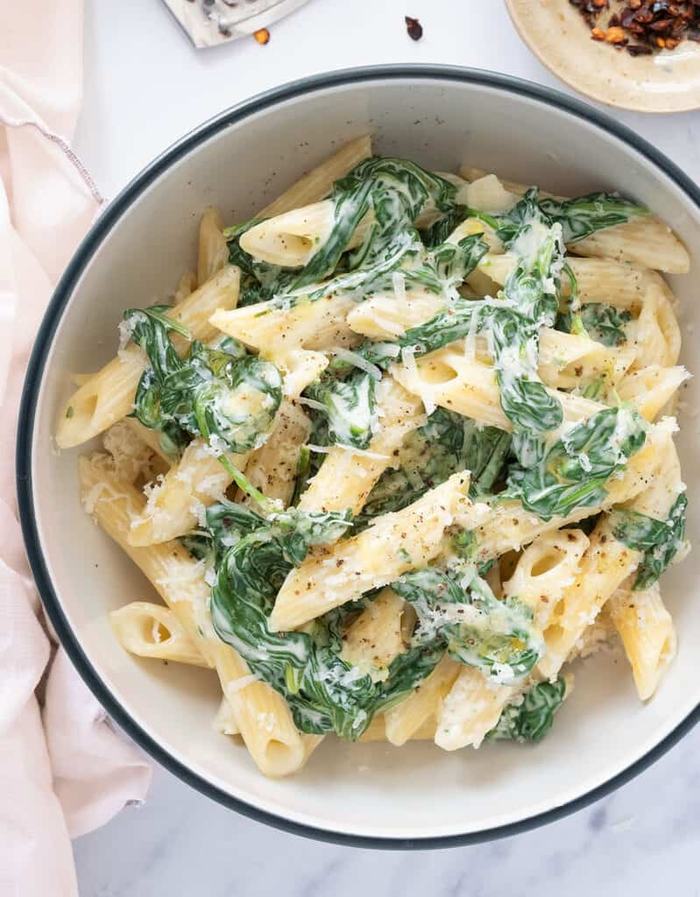
Cheesy Spinach Noodles

Cheesy Spinach Noodles

8 ounces whole-wheat noodles

10-ounce package frozen chopped spinach, thawed and drained

1 cup fat-free or low-fat cottage cheese

1/2 teaspoon dried basil

1 tablespoon dried parsley flakes

1/4 to 1/2 teaspoon salt

2 tablespoons Parmesan cheese

(Tip: Could add cooked chicken to dish)

Directions:

  1. Cook noodles according to package directions.
  2. While noodles are cooking, cook the spinach in a skillet for 5 minutes.
  1. Add cottage cheese, basil, parsley and salt to spinach. Cook 2 minutes or until heated.
  1. Drain noodles and toss in large serving bowl with spinach mixture. Top with Parmesan cheese.

Nutrition Information per serving: Calories 160, Total Fat 1.5g, Saturated Fat 0g, Protein 11g, Carbohydrate 26g Dietary Fiber 2g and Sodium 280mg.


Peanut Butter and Banana Overnight Oats Serves 1

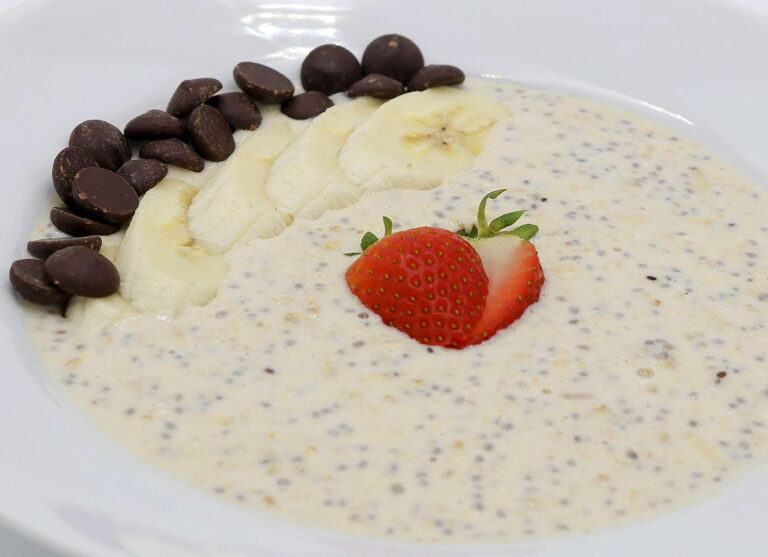
Overnight oats are a great way to meal prep ahead of time. They are an excellent source of whole grains, fiber, and protein to help keep you satisfied. Start with 1/2 cup of milk or milk alternative. If you prefer a thicker or thinner final product, just adjust your amount of liquid accordingly. This classic combination of peanut butter and banana makes a tasty and filling breakfast, snack, or dessert. Customize your overnight oats with your milk, yogurt, nut butter, and toppings of choice.

Peanut Butter And Banana Overnight Oats

Peanut Butter And Banana Overnight Oats

1/2 cup oats (old fashioned or rolled oats work best)

1/2 cup milk or milk-alternative (1%, skim, almond, etc.)

1/2 cup nonfat Greek yogurt

1 Tablespoon chia seeds

1 Tablespoon maple syrup or honey

1/2 teaspoon vanilla extract

1 Tablespoon peanut butter (or nut butter of your choice)

1/2 banana, sliced (option to add banana before refrigeration or right before eating)

Optional: additional sliced fruit or a few chocolate chips

Directions:

  1. Add all ingredients to a food-safe jar or food-storage container. (Option to add banana before refrigeration or right before eating.)
  2. Mix until well combined.
  3. Seal and place in refrigerator for at least 2 hours or overnight.
  4. Top with sliced banana before serving if not previously added.

Homemade Hot Cocoa (A Winter treat!) serves 1

Homemade Hot Cocoa

Homemade Hot Cocoa

1 cup milk (whole, 2%, or a non-dairy alternative like oat or almond milk work well)

2 tablespoons unsweetened cocoa powder

1-2 tablespoons granulated sugar  (adjust to taste)

Pinch of salt (enhances the chocolate flavor)

¼ teaspoon vanilla extract (optional, add at the end)

Directions:

  1. In a small saucepan, or directly in your mug if using a microwave, whisk together the cocoa powder, sugar, and salt.
  2. Add 2 tablespoons of the milk to the dry mixture and whisk until a smooth, lump-free chocolate paste forms. This step helps the cocoa dissolve properly and prevents clumping later.
  3. Gradually whisk in the remaining milk. Heat the mixture over medium-low heat on the stovetop (or microwave in 30-second intervals) until it is hot and steaming, but do not let it boil, as this can affect the milk’s flavor and texture.
  4. Remove from heat and stir in the vanilla extract, if using. Pour into mugs and garnish with marshmallows or whipped cream as desired.

Pro Tips for the Best Results

  • Avoid boiling the milk: Heating gently ensures a smooth, creamy texture and prevents a skin from forming on top.
  • Use quality cocoa: Dutch-processed cocoa powder offers a smoother, less bitter, and darker flavor than natural cocoa powder.
  • Experiment with add-ins: Enhance your hot cocoa with a dash of cinnamon, a pinch of cayenne pepper, or a splash of peppermint extract for a fun twist. You can also use chopped dark or semi-sweet chocolate bars along with the powder for an extra rich, velvety drink.

Sources for this article NC Extension Food and Nutrition educational program. For more information about the Foods and Nutrition please contact Louise L. Hinsley, Extension Agent, Family Consumer Science at the Beaufort County Center of N.C. Cooperative Extension, 155 Airport Road, Washington, 252-946-0111.