To a plant guy like me, plants are always pretty cool. Plants are energy producers in that they can take sunlight and produce energy through the process of photosynthesis. This provides food for both humans and wildlife. We can plant gardens or we can plant things in our landscape that both provide cover and food for wildlife. When we plant our gardens we can also be at war with wildlife. Here at the teaching garden in Beaufort County, we have been fighting with wildlife all spring so far. We have a vole problem, but, that’s a story for another article!
Most plants have absolutely beautiful flowers and foliage, some even have attractive bark. Think about the dogwoods (Cornus florida) in the spring and how beautiful they are when the beautiful white bracts come out. Think about things like tulips (Tulipa spp.) that we see in the fields around Terra Ceia and all the beautiful colors. Now think of some of the redbuds like Black PearlTM (Cercis canadensis ‘Black Pearl’) that have that deep purple foliage with lavender flowers or the Midnight MagicTM crape myrtle (Lagerstroemia ‘PIILAG-V’ PP25925) that has leaves so dark purple that they almost look black. Then the amazing contrast that is created during the bloom with its brilliant dark pink to coral flower color. These things are amazing!
Most plants also have an incredible fragrance too. Although highly invasive, everyone knows when the Japanese honeysuckles (Lonicera japonica) are in bloom from that incredible fragrance in the air. Or think about the privet (Ligustrum spp.), another highly invasive plant. One that is still not native but also not considered invasive is the Fragrant Tea Olive (Osmanthus fragans). This is one that is so fragrant it reminds me of something out of Greek mythology like what the ambrosia of the gods must have smelled like. The fragrant tea olive will grow here but we are right on the edge of the hardiness range in zone 8a.
Now for all of these great attributes of plants, there is a flipside to them as well. Think of poison ivy (Toxicodendron radicans)? This is a plant that I have been all too familiar with for most of my life. I can honestly say that I have had a rash from poison ivy nearly every summer of my life that I can remember. I had a friend in college that was so allergic to this plant he had to get shots and medicine to combat the allergic reaction he had to it from a camping trip for one of our plant classes. The following year we went on the same camping trip and he took every precaution you can think of but he still got it again. The oil from the plant was still in his sleeping bag from the previous year! I had an article from a few years back that talked about giant hogweed (Heracleum mantegazzianum). Do you remember this plant from all the news it received in 2018? The sap of this plant on your skin can cause 3rd degree burns when hit by sunlight! It resembles Queen Anne’s Lace (Daucus carota) but on steroids, like something out of the Little Shop of Horrors movie from the 1980’s.
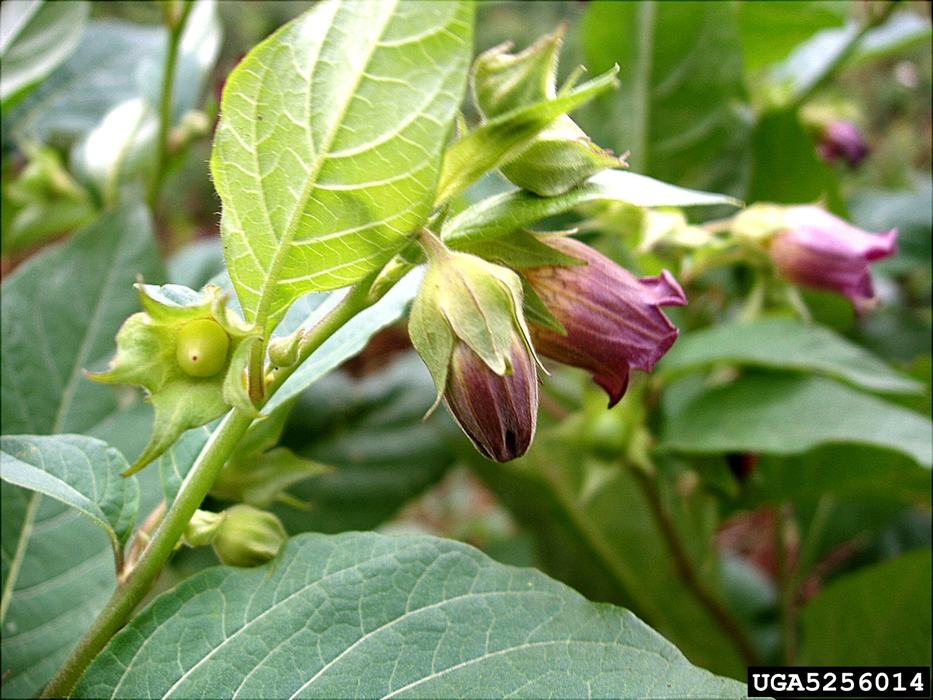
I had call this week where the caller needed a plant identified. I did the best I could through the pictures I received. Her main question was whether this plant was safe to leave in her pollinator garden. It was a species of black nightshade